
Asistență medicală

Online, de la tine de acasă!

Personal profesionist

Doar doctori oncologi de top

Încărcați dosarul cazului dvs.

Și îl vom cerceta!

Category Archives: 肿瘤

Endometrial cancer

Endometrial cancer

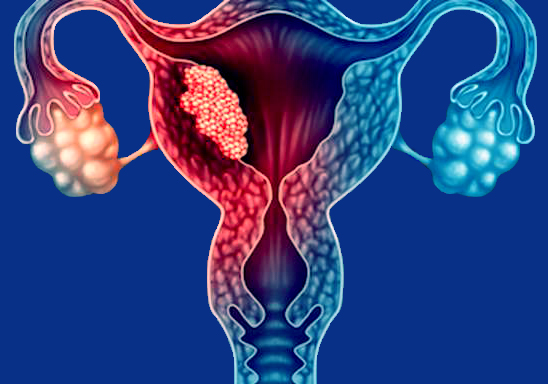
Endometrial cancer is a type of cancer that begins in the uterus. The uterus is the hollow, pear-shaped pelvic organ where fetal development occurs.

Endometrial cancer begins in the layer of cells that form the lining (endometrium) of the uterus. Endometrial cancer is sometimes called uterine cancer. Other types of cancer can form in the uterus, including uterine sarcoma, but they are much less common than endometrial cancer.

Endometrial cancer is often detected at an early stage because it frequently produces abnormal vaginal bleeding. If endometrial cancer is discovered early, removing the uterus surgically often cures endometrial cancer.

Symptoms

Signs and symptoms of endometrial cancer may include:

  • Vaginal bleeding after menopause
  • Bleeding between periods
  • Pelvic pain

When to see a doctor

Make an appointment with your doctor if you experience any persistent signs or symptoms that worry you.

Causes

Doctors don’t know what causes endometrial cancer. What’s known is that something occurs to create changes (mutations) in the DNA of cells in the endometrium — the lining of the uterus.

The mutation turns normal, healthy cells into abnormal cells. Healthy cells grow and multiply at a set rate, eventually dying at a set time. Abnormal cells grow and multiply out of control, and they don’t die at a set time. The accumulating abnormal cells form a mass (tumor). Cancer cells invade nearby tissues and can separate from an initial tumor to spread elsewhere in the body (metastasize)

Risk factors

Factors that increase the risk of endometrial cancer include:

  • Changes in the balance of female hormones in the body. The ovaries make two main female hormones — estrogen and progesterone. Fluctuations in the balance of these hormones cause changes in the endometrium.A disease or condition that increases the amount of estrogen, but not the level of progesterone, in your body can increase your risk of endometrial cancer. Examples include irregular ovulation patterns, which might happen in polycystic ovary syndrome, obesity and diabetes. Taking hormones after menopause that contain estrogen but not progesterone increases the risk of endometrial cancer.A rare type of ovarian tumor that secretes estrogen also can increase the risk of endometrial cancer.
  • More years of menstruation. Starting menstruation at an early age — before age 12 — or beginning menopause later increases the risk of endometrial cancer. The more periods you’ve had, the more exposure your endometrium has had to estrogen.
  • Never having been pregnant. If you’ve never been pregnant, you have a higher risk of endometrial cancer than someone who has had at least one pregnancy.
  • Older age. As you get older, your risk of endometrial cancer increases. Endometrial cancer occurs most often after menopause.
  • Obesity. Being obese increases your risk of endometrial cancer. This may occur because excess body fat alters your body’s balance of hormones.
  • Hormone therapy for breast cancer. Taking the hormone therapy drug tamoxifen for breast cancer can increase the risk of developing endometrial cancer. If you’re taking tamoxifen, discuss this risk with your doctor. For most, the benefits of tamoxifen outweigh the small risk of endometrial cancer.
  • An inherited colon cancer syndrome. Lynch syndrome, also called hereditary nonpolyposis colorectal cancer (HNPCC), is a syndrome that increases the risk of colon cancer and other cancers, including endometrial cancer. Lynch syndrome is caused by a gene mutation passed from parents to children. If a family member has been diagnosed with Lynch syndrome, discuss your risk of the genetic syndrome with your doctor. If you’ve been diagnosed with Lynch syndrome, ask your doctor what cancer screening tests you should undergo.

Prevention

To reduce your risk of endometrial cancer, you may wish to:

  • Talk to your doctor about the risks of hormone therapy after menopause. If you’re considering hormone replacement therapy to help control menopause symptoms, talk to your doctor about the risks and benefits. Unless you’ve undergone a hysterectomy, replacing estrogen alone after menopause may increase your risk of endometrial cancer. Taking a combination of estrogen and progestin can reduce this risk. Hormone therapy carries other risks, so weigh the benefits and risks with your doctor.
  • Consider taking birth control pills. Using oral contraceptives for at least one year may reduce endometrial cancer risk. The risk reduction is thought to last for several years after you stop taking oral contraceptives. Oral contraceptives have side effects, though, so discuss the benefits and risks with your doctor.
  • Maintain a healthy weight. Obesity increases the risk of endometrial cancer, so work to achieve and maintain a healthy weight. If you need to lose weight, increase your physical activity and reduce the number of calories you eat each day.

Can Radiation Be Given Twice in the Same Area?

Healthy cells in the human body divide and grow. Cancer cells do this at a much faster rate. Radiation therapy, or radiotherapy, is a cancer treatment that uses high-energy beams to damage or destroy fast-growing cancer cells. Radiation therapy breaks the DNA of cancer cells and prevents them from growing. While chemotherapy and certain other cancer treatments are systemic (they expose the entire body to the drug), radiation therapy is a local treatment. It is aimed at only the part of the body affected by cancer. Nonetheless, some normal cells nearby are affected by the radiation treatment, although most recover function. 

More than half of all people with cancer get some form of radiation treatment. Sometimes radiation is the only treatment required. At other times, it is given along with other types of therapies to treat cancer, such as chemotherapy and surgery. 

Radiation treatments have been used for more than 100 years now. Medical advances during this time have made radiation therapy safe and effective. Radiation oncologists can plan the radiotherapy so that it damages cancer cells while causing as little harm as possible to healthy cells. Throughout the treatment, patients are monitored to check how the cancer is responding. 

Please continue reading to learn more about radiation therapy protocols, the dose of radiation, side effects of radiation, and whether cancer patients can get radiotherapy twice in the same area.

What are the different types of radiation therapy?

External beam radiation therapy

This is a type of radiation treatment in which a beam of high-energy X-rays is directed at the cancer through the skin. The radiation oncology team controls the size and shape of the beam and its direction on the body to treat the tumor while sparing surrounding healthy tissue. Different types of external beam therapy are used to treat specific types of cancers.

Three-Dimensional Conformal Radiation Therapy (3D-CRT)

3D-CRT uses computer imaging to map the size, shape, and location of a tumor (tumors come in various shapes and sizes and are not regular). CT, MRI, and PET scanning create detailed 3D representations of the tumor and the surrounding structures. This allows the radiation oncologist to precisely target the tumor with the radiation beam with very little damage to nearby normal tissue, allowing them to heal quickly.

Intensity Modulated Radiation Therapy (IMRT)

IMRT is a special type of 3D-CRT that allows the radiation beam to match the tumor’s shape more precisely. In IMRT, the beam is broken into smaller “beamlets.” Each beamlet can be adjusted individually for intensity. This allows the radiation oncologist to limit damage to healthy surrounding tissue further. IMRT, in some cases, may allow a higher radiation dose to be delivered to the tumor, possibly increasing the chance of a cure.

Proton Beam Therapy and Neutron Beam Therapy

These are specialized radiation therapy techniques that use protons and neutrons instead of X-ray to treat cancer. The physical characteristics of these high-energy particles allow doctors to reduce the radiation doses to surrounding healthy tissue. These radiation beams also have a greater biological impact on tumors that can be advantageous in treating certain cancers. Unfortunately, this type of radiation treatment is available only at a few specialized radiation oncology centers.

Stereotactic Body Radiation Therapy

Stereotactic body radiotherapy is a radiation treatment technique that allows doctors to focus radiation beams on certain tumors more precisely. The additional precision is achieved by using immobilization, such as a head frame to treat head and neck cancers. This type of radiation may be given as a single dose and is sometimes called radiosurgery. It may also be given as 3-8 treatments for a tumor outside the brain. 

Image-Guided Radiation Therapy (IGRT)

Brachytherapy

This type of “internal radiation” involves placing radioactive material into or near a tumor. The placement of the radiation source close to the tumor allows the radiation oncologist to directly deliver a large dose of radiation to the cancer cells. The radioactive sources may be left in place permanently or temporarily to treat cancer. 

There are other types of radiation therapy besides the common ones mentioned above.

Can radiotherapy be repeated?

IGRT helps deliver radiation to a tumor more precisely by using imaging (CT, ultrasound, X-rays). Images are obtained just before the radiation therapy is given and compared to earlier images to see if the radiation treatment needs to be adjusted. 

The goal of any cancer treatment is to control the growth of the tumor with minimal side effects and minimal impairments in the patient’s quality of life. In the past, patients who received radiation therapy once could not be treated with radiation a second time. This was because the area targeted by the radiation could not be mapped precisely enough. As a result, the healthy tissue surrounding the tumor was at risk of a radiation overdose. Survival rates after repeat radiation treatment were not good. Life-threatening side effects meant that only 50% of all patients who received repeat radiation therapy were alive after one year, and only 20% were alive after three years. Also, there is a long-term risk of developing a second cancer from the radiotherapy itself. While this risk is low, it depends on how much radiation is given. A second round of radiation treatment can increase the risk of a second cancer.

The body doesn’t forget its first encounter with radiation, so you can’t treat it a second time like you did the first time. 

In recent years, however, advances in radiation oncology have made it possible for some patients to undergo repeat radiotherapy. In particular, repeat external beam radiotherapy for locally recurrent head and neck tumors has been given with an intent to cure. Unfortunately, this is possible in only a few carefully selected patients. The initial results from a few small trials are encouraging, but repeat radiation therapy remains experimental. 

To undergo repeat radiotherapy, patients are selected by an interdisciplinary tumor board. Repeat radiation therapy is usually carried out in a specialized radiation oncology center. 

How many times can you have radiation therapy?

As noted above, repeat radiation therapy has been tried in some types of head and neck cancers. However, in most patients, radiation treatment is given once. To qualify as a potential candidate for the second round of radiotherapy, the patient must meet certain conditions, including a good general health status, a small localized recurrence of the tumor that is well-circumscribed, clean surgical margins, more than 6 months having passed since the initial round of radiation therapy, availability of documentation on the initial radiotherapy for evaluation, a reserve capacity in the surrounding normal tissue to withstand radiation, and assessment and recommendation by an interdisciplinary cancer treatment team.

Notably, a second round of radiation therapy alone may not work. Without surgery, cancer has a high chance of coming back. A crucial part of successful treatment of the disease is a collaborative approach with the radiation oncologist working with the surgeon. 

Can you have radiation twice in one day?

In general, the answer is no. Patients do not receive radiation twice in one day. However, radiation oncologists have experimented with giving a higher dose of radiation with each treatment to try and shorten the course of radiation treatment (for example, to get a 6-week radiation treatment down to 5 weeks or 4 weeks). Clinical studies have shown encouraging results in this regard. If the results are found to sustain after a longer period of evaluation (patients remain cancer-free), then in the future, we may see courses of radiation becoming shorter by giving a little more radiation dose with each treatment, but not by coming in more than once a day.

How long do you have to wait between radiation treatments?

The usual protocol for external beam radiation therapy is 5 treatment sessions per week, Monday through Friday, for 3-9 weeks, depending on the type of cancer and specific treatment plan. The 2-day break each week allows the body to repair some of the damage caused by the radiation to healthy tissues. However, some side effects may not go away until the radiation treatment is completed. 

If you are deemed an appropriate candidate for a second round of radiation therapy, your radiation oncologist will likely advise waiting at least 6 months after the first course of radiotherapy.

× Doctorul tau aici!